Legumes and Pulses: Plant Protein Characteristics
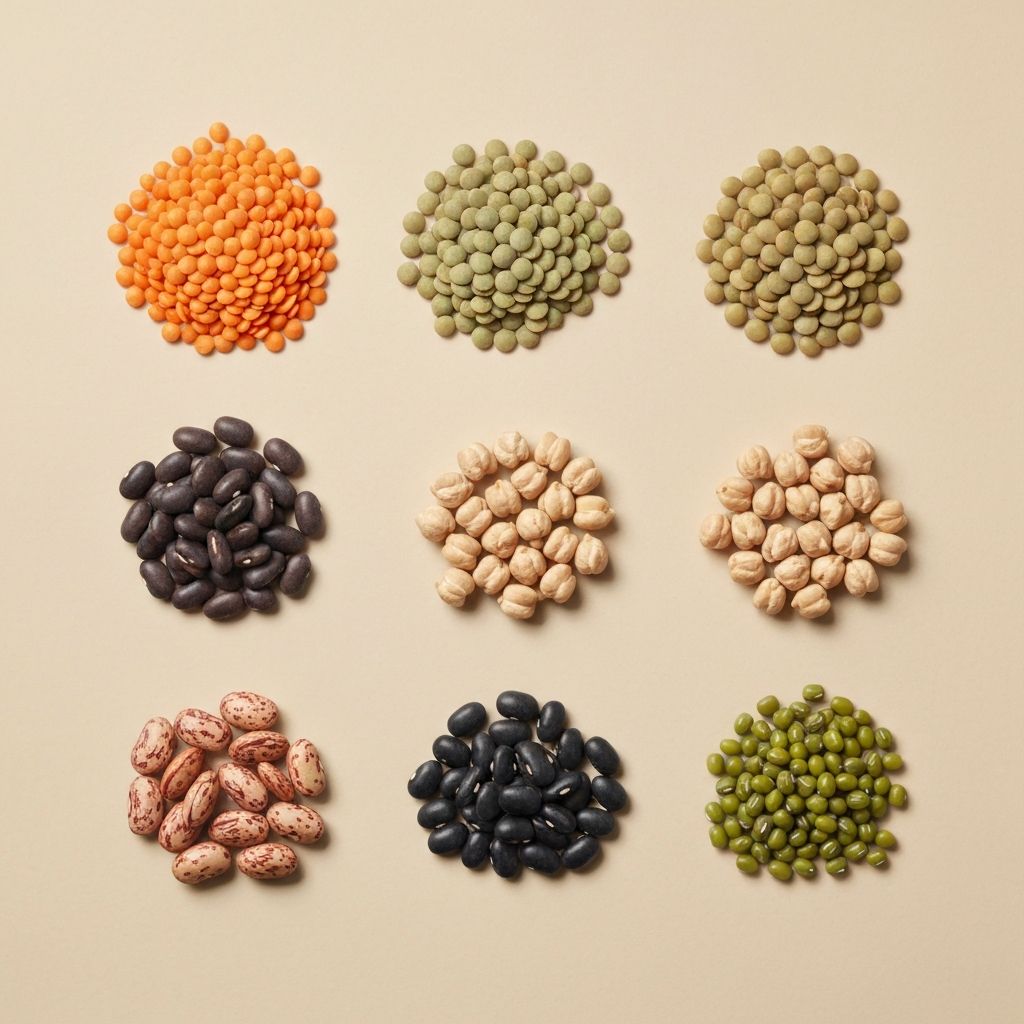
Legumes and pulses represent plant-based protein sources with distinctive amino acid profiles compared to grains and other plant categories. These foods combine protein with complex carbohydrates and fiber, creating multifunctional contributions to nutritional intake beyond isolated macronutrient analysis.
Lentil Protein and Amino Acid Composition
Lentils provide 9 grams of protein per 100 grams (cooked basis), delivering lower absolute protein concentration compared to animal sources but substantial density relative to other plant-based foods. Lentil amino acid profiles demonstrate elevated lysine concentration compared to grains, creating complementary nutritional characteristics. However, lentil proteins remain limited in methionine, rendering isolated legume consumption incomplete regarding essential amino acid profiles. Varied consumption of legumes combined with grains throughout daily intake provides complete amino acid coverage.
| Legume Type | Protein (g/100g) | Fiber (g/100g) | Amino Acid Strength |
|---|---|---|---|
| Red Lentils (cooked) | 9 | 1.8 | High in lysine |
| Green Lentils (cooked) | 8 | 3.1 | High in lysine |
| Chickpeas (cooked) | 8 | 5.2 | Balanced profile |
| Black Beans (cooked) | 8 | 3.6 | High in lysine |
| Kidney Beans (cooked) | 9 | 3.3 | Balanced profile |
| Pinto Beans (cooked) | 9 | 3.7 | Balanced profile |
Essential Amino Acid Patterns in Legumes
Legume proteins concentrate lysine relative to grain proteins, while maintaining lower methionine levels. This amino acid pattern contrasts with grain proteins (rice, wheat, corn), which demonstrate elevated methionine with comparatively limited lysine. Traditional food pairings combining legumes with grains—beans with rice, lentils with wheat—reflect this complementary amino acid relationship, creating complete protein profiles when consumed within daily intake patterns rather than requiring single meal combinations.
Digestibility and Bioavailability Considerations
Legume proteins contain antinutrient compounds including protease inhibitors, phytic acid, and tannins that can reduce protein digestibility and mineral absorption. Cooking legumes substantially reduces these compounds, increasing protein bioavailability. DIAAS scores for cooked legumes range from 0.4 to 0.8, lower than animal sources and even some grains, reflecting the residual effect of antinutritional factors. Despite reduced digestibility, the combination of legumes with varied foods throughout daily consumption provides adequate amino acid and micronutrient intake in populations relying on plant-based proteins.
Legume Micronutrient Content
Beyond protein, legumes contribute substantial micronutrients including iron, zinc, and folate. Plant-based iron in legumes (non-heme iron) demonstrates lower bioavailability compared to animal sources due to phytic acid complexation, though vitamin C content in consumed meals enhances non-heme iron absorption. Zinc in legumes likewise encounters absorption limitations from phytic acid, though fermentation or sprouting processes can enhance mineral bioavailability by degrading antinutrient compounds. Legume folate content reaches 150-280 micrograms per 100 grams cooked basis, supporting cellular methylation and nucleotide synthesis.
Traditional Preparation Methods
Soaking legumes before cooking initiates enzyme activation and reduces antinutrient concentration. Sprouting legumes increases bioavailable nutrient content and reduces digestive discomfort. Fermentation processes used in preparation of traditional foods increase legume protein digestibility through microbial enzymatic action. These traditional preparation methods reflect cumulative dietary knowledge supporting legume protein utilization in human populations globally.
Educational Context
This article presents nutritional data for informational purposes. Individual protein requirements and dietary suitability vary based on age, activity level, cultural background, and health circumstances. Dietary decisions reflect personal preference and individual nutritional needs.